Los Angeles didn’t become a major business hub overnight—it evolved through a combination of geography, infrastructure, immigration, industry shifts, and visionary (sometimes controversial) leadership. Here’s how LA transformed from a modest ranching town into one of the world’s most influential economic centers:
1. Strategic Geography & Natural Advantages
- Pacific Gateway: LA’s location on the West Coast made it a natural bridge between North America and Asia-Pacific markets.
- Port of Los Angeles & Long Beach: Together, they form the busiest port complex in the Western Hemisphere, handling over 30% of all U.S. container imports—critical for global trade and logistics businesses.
- Year-round mild climate: Unlike many U.S. cities, LA’s weather supports agriculture, outdoor work, tourism, and year-round filming—a huge draw for early industries.
2. Infrastructure: Water, Railroads & Highways
- Los Angeles Aqueduct (1913): Engineered by William Mulholland, it diverted water from the Owens Valley, enabling massive population and industrial growth—though at great environmental and social cost.
- Railroads (1870s–1880s): The arrival of the Southern Pacific and Santa Fe Railroads connected LA to national markets, triggering a real estate and agricultural boom.
- Freeway System (1940s–1970s): LA pioneered the car-centric city, building one of the world’s most extensive highway networks—fueling suburban development, retail, and auto-dependent industries.
3. Rise of Signature Industries
Entertainment & Media (1910s–present)
- Studios (like Warner Bros., Paramount) relocated to LA to escape Edison’s patents and exploit diverse landscapes and sunshine.
- Hollywood became synonymous with global storytelling, attracting talent, capital, and supporting businesses (agents, post-production, marketing).
Oil & Aerospace (Early–Mid 20th Century)
- LA was once the top oil-producing region in the U.S. (1890s–1930s), funding early city development.
- During WWII and the Cold War, aerospace boomed: companies like Northrop, Lockheed, and Douglas Aircraft (later Boeing) made LA a defense and space technology hub.
Fashion, Lifestyle & DTC Brands (Late 20th–21st Century)
- LA became a center for apparel manufacturing (especially denim and streetwear) and later direct-to-consumer (DTC) brands, leveraging local influencers and media.
Tech & “Silicon Beach” (2000s–present)
- Starting in the 2010s, Venice, Santa Monica, and Playa Vista attracted startups in adtech, social media, gaming, and AI, supported by talent from UCLA and USC.
4. Immigration & Labor Diversity
- LA has long been a gateway for immigrants—from Mexican and Japanese communities in the early 1900s to Korean, Armenian, Central American, and African diasporas today.
- This diversity fuels entrepreneurship (over 50% of LA small businesses are immigrant-owned) and creates multicultural consumer markets.
- A large, flexible workforce supports everything from garment factories to gig economy platforms.
5. Global Trade & Logistics Dominance
- The Port of LA/Long Beach handles more container traffic than any U.S. port—making the region essential for import/export, warehousing, and supply chain tech.
- The Inland Empire (Riverside, San Bernardino) has grown into a massive logistics and distribution hub tied directly to LA’s port.
6. Cultural Soft Power = Economic Power
- LA’s global image—built on Hollywood, music, fashion, and lifestyle—attracts tourism, investment, and talent.
- Events like the Grammys, Oscars, LA Fashion Week, and LA Auto Show reinforce its status as a trendsetting city.
7. Adaptive Economic Reinvention
Unlike cities tied to a single industry (e.g., Detroit and autos), LA reinvented itself repeatedly:
- Ranching → Railroads → Oil → Film → Aerospace → Tech → Creator Economy
This adaptability ensures resilience during economic shifts.
Challenges That Shaped Its Business Identity
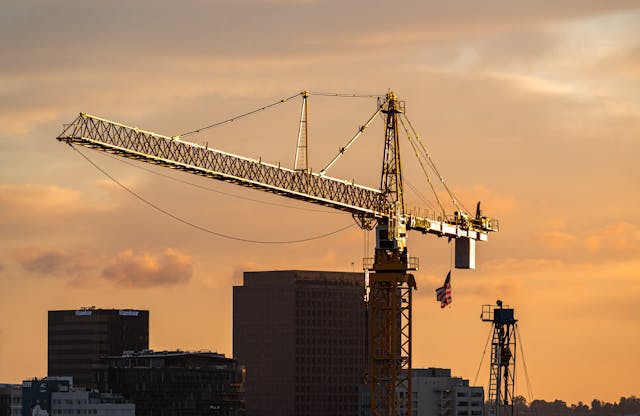
- Decentralized layout: Unlike NYC or Chicago, LA lacks a single financial district—business is spread across hubs (Downtown, Century City, West LA, DTLA, etc.), encouraging niche clusters.
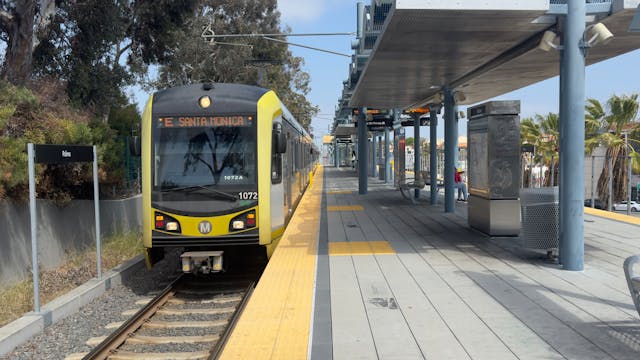
- Car dependency: Spurred demand for gas stations, drive-ins, malls—and later, mobility tech (e.g., Bird, Lime).
- Water & land constraints: Forced innovation in real estate (high-rises, mixed-use) and sustainability.
Today: A Polycentric Global Business Hub
Los Angeles now leads in:
- Entertainment & digital media
- International trade & logistics
- Creative entrepreneurship
- Green tech and clean energy
- Healthcare and biotech (anchored by institutions like Cedars-Sinai)
Its economy is larger than most countries—if LA County were a nation, its GDP would rank in the top 30 globally.
Final Insight
LA became a business hub not through centralized planning, but through opportunism, cultural magnetism, and infrastructure ambition. Its strength lies in decentralized creativity—where a food truck in Koreatown, a gaming startup in Culver City, and a fashion brand in Downtown can all thrive under the same sprawling, sunlit ecosystem.
If you’re exploring business opportunities here, leverage LA’s hybrid identity: global yet local, digital yet physical, glamorous yet gritty.
